Structure
Exhibition Booth Design: How to Create a Trade Show Booth That Attracts Visitors
Jun 24 2026
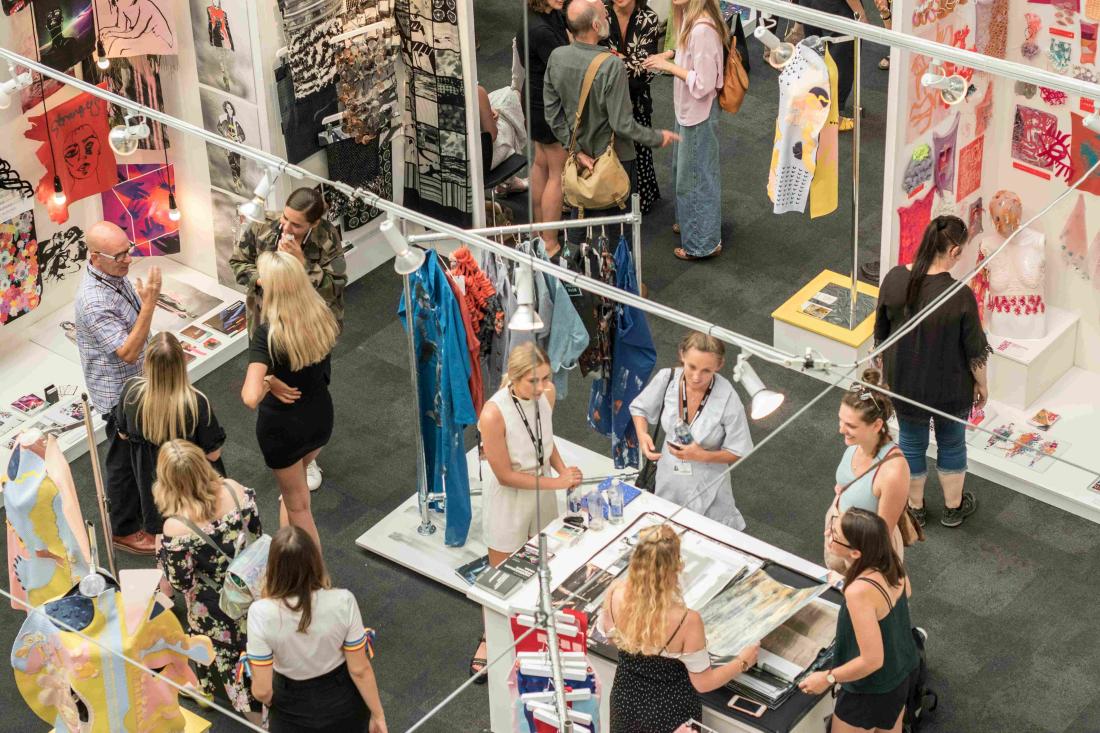
Planning an exhibition booth design or trade show booth for your next Malaysia expo? This guide breaks down what actually attracts visitors and builds lasting brand presence.
What Makes Exhibition Booth Design and Trade Show Booth Planning So Important in Malaysia
Walk through any major convention centre in Kuala Lumpur during peak exhibition season, and you'll notice something interesting. Out of the hundreds of stands lined up under the fluorescent lights, only a handful actually stop people in their tracks. The rest blur together into a forgettable wall of banners, brochures, and bored-looking staff waiting for someone—anyone—to approach.
This is the reality that makes exhibition booth design and trade show booth planning such a critical investment for businesses across Malaysia. Whether you're showing up at MITEC, PWTC, KLCC Convention Centre, or Sunway Convention Centre, you're not just renting floor space. You're buying a few precious seconds of attention from people who have a dozen other booths competing for that same attention, often within arm's reach.
Malaysia's exhibition calendar has grown busier over the past few years, spanning sectors like manufacturing, technology, construction, property, and consumer lifestyle. With that growth has come more competition for visitor attention, which means companies can no longer treat their booth as an afterthought tucked at the bottom of the event budget. A well-thought-out exhibition booth design and trade show booth setup does more than look nice in photos. It shapes how visitors perceive your brand's professionalism, signals whether you're a serious player in your industry, and ultimately determines how many genuine conversations and leads you walk away with at the end of the show.
There's also a practical, often overlooked reason this matters: most exhibitors only get one shot per year, or per quarter, at a particular trade show. Unlike a website you can tweak overnight or a social media post you can delete and repost, a booth mistake plays out in real time, in front of real prospects, for the full duration of the event. Getting the exhibition booth design and trade show booth strategy right from the planning stage isn't a nice-to-have. It's the difference between a stand that generates business and one that simply takes up square footage.
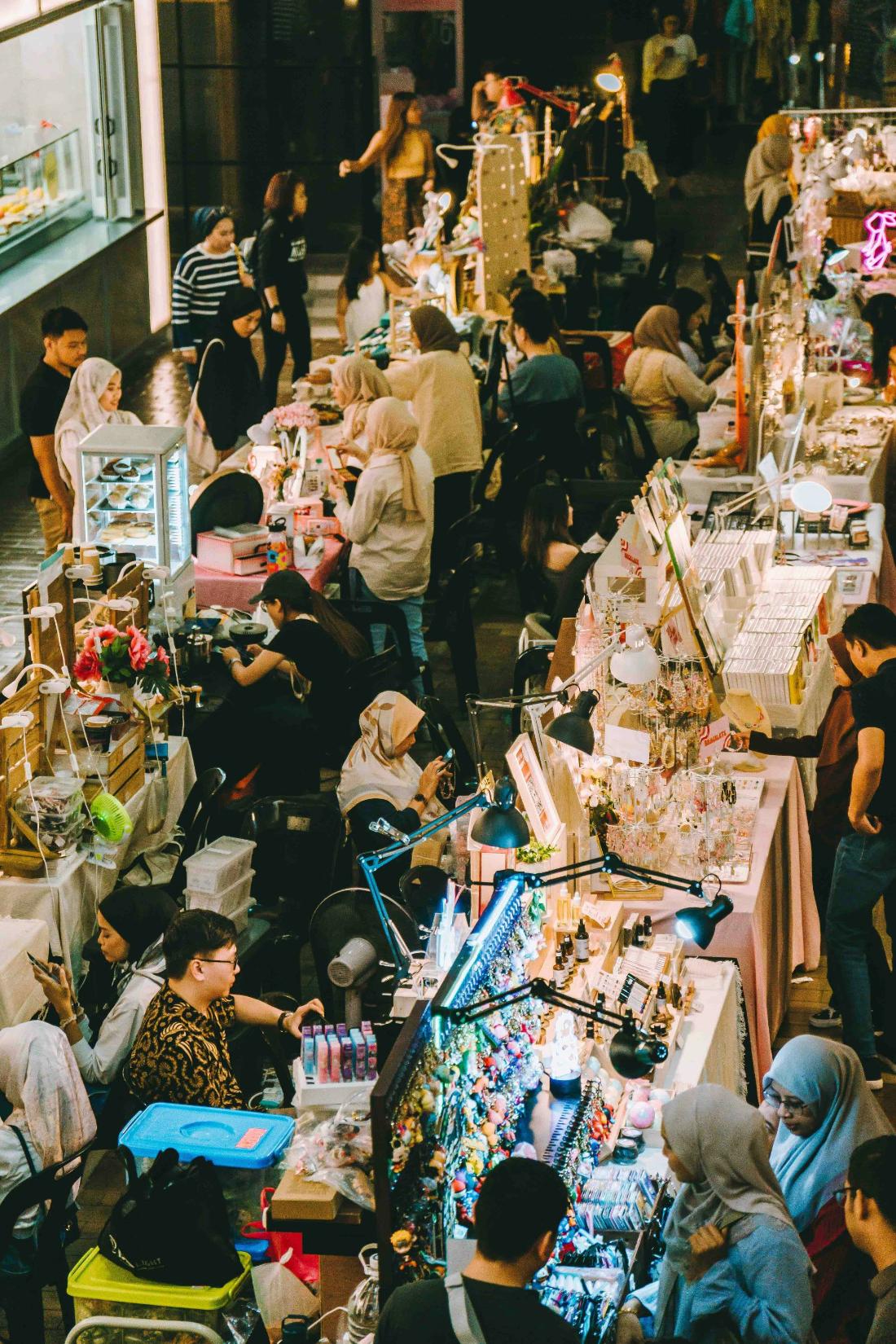
Key Elements of Exhibition Booth Design and Trade Show Booth Layout That Attract Visitors
Good booths rarely happen by accident. Behind every stand that pulls a crowd, there's usually a deliberate set of decisions about layout, materials, and flow that were made weeks before the event doors even opened.
a. Layout and Visitor Flow
The starting point for any exhibition booth design and trade show booth layout is understanding how people actually move through an exhibition hall. Visitors rarely walk in straight lines. They drift, they get distracted, and they make split-second decisions about whether a booth is worth approaching based on what they see from ten or fifteen feet away.
Open layouts tend to outperform closed, boxed-in designs because they remove the psychological barrier of "entering" a space. When your booth has a counter blocking the entrance, or furniture crammed right at the front, visitors subconsciously read that as a closed door. Pulling display elements toward the back and keeping the front open creates an inviting threshold that people cross without even thinking about it.
It also helps to map out clear zones within the booth itself—an area for quick browsing, a spot for product demonstrations, and a quieter corner for actual sales conversations. Without this separation, you end up with a single crowded space where someone trying to have a serious discussion with your sales rep gets jostled by people just passing through.
b. Visual Branding and Materials
Colour, lighting, and material choice do a lot of heavy lifting before a single word is spoken. A booth using washed-out colours or mismatched signage looks unfinished even if the actual products on display are excellent. Strong, consistent branding across backdrops, banners, and even staff uniforms reinforces recognition, which matters because most visitors will see dozens of competing brands within a single afternoon.
Material selection also affects perception more than people expect. Fabric tension displays, for instance, tend to photograph and look cleaner under exhibition lighting than printed PVC banners that wrinkle or sag by the second day of a multi-day show. Modular aluminium frame systems have become popular among Malaysian exhibitors precisely because they hold their shape, pack down for transport, and can be reconfigured for booths of different sizes without needing an entirely new structure each time.
c. Interactive and Experiential Touches
Static displays with text and product photos alone rarely hold attention for more than a few seconds. Adding an interactive element—whether that's a live product demo, a touchscreen display, a simple game tied to your brand, or even just a staff member actively demonstrating a product rather than standing behind a table—gives visitors a reason to stop and stay longer.
This doesn't need to mean expensive AR or VR setups, though those have become more common at larger Malaysian exhibitions in recent years. Sometimes a straightforward live demonstration of how a product works, paired with a genuinely friendly staff member who isn't glued to their phone, achieves the same result at a fraction of the cost.
Strategic Exhibition Booth Design and Trade Show Booth Decisions That Build Brand Presence
Attracting visitors is only half the job. The other half is making sure those visitors leave with a clear, positive impression of your brand that sticks beyond the exhibition floor.
a. Telling a Consistent Brand Story
Every element of your booth—from the headline on your backdrop to the colour of your staff lanyards—should reinforce a single, clear message about who you are and what you do. Exhibitors sometimes try to cram too many product lines, slogans, or promotions into one small space, which ends up diluting the message rather than strengthening it.
A focused exhibition booth design and trade show booth concept usually centres on one core value proposition, with supporting visuals and staff talking points that all point back to that single idea. Visitors walking past should understand what you do within a few seconds, without needing to read a wall of text.
b. Staff Training and Visitor Engagement
No amount of clever design compensates for disengaged staff. Visitors form impressions of your brand based heavily on how they're greeted and treated at the booth, often more than on the physical structure itself. Staff who approach with a genuine question rather than a rehearsed sales pitch tend to get further, faster.
Briefing your team beforehand on key talking points, common visitor questions, and even simple things like not eating or being on their phones during quiet periods makes a noticeable difference to how professional the booth feels overall.
c. Measuring Brand Impact After the Event
Brand presence built at an exhibition doesn't end when the lights go off. Following up promptly with leads collected at the booth, sharing photos and highlights on social media, and gathering feedback from your own staff about which elements of the design worked well all feed into a stronger exhibition booth design and trade show booth strategy for the next event. Companies that treat each exhibition as a learning cycle tend to see steady improvement in both visitor engagement and lead quality over successive shows.
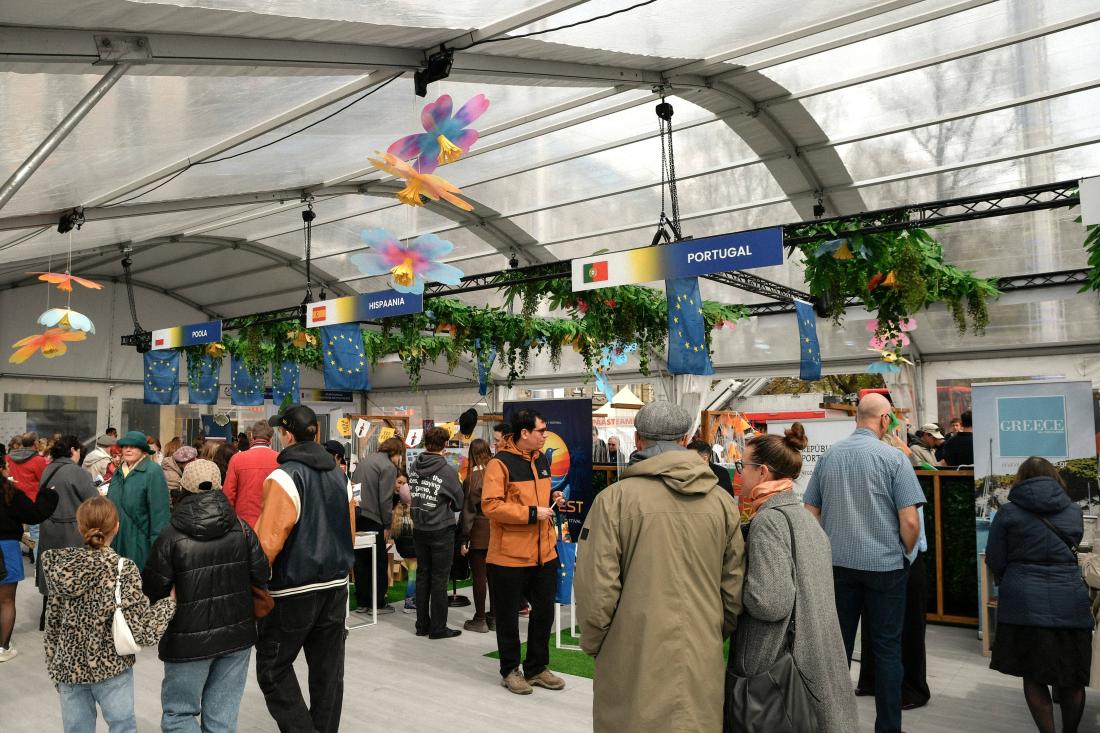
Practical Tips for Exhibition Booth Design and Trade Show Booth Success in Malaysia
Beyond the bigger strategic decisions, there are a handful of practical, on-the-ground factors that often separate a smooth exhibition experience from a stressful one, particularly within Malaysia's exhibition venues and climate.
Space constraints at venues like PWTC or MITEC mean exhibitors need designs that work within standard booth sizes such as 3m x 3m or 3m x 6m, rather than concepts built for unrealistic floor space. Humidity and air conditioning levels inside Malaysian convention halls can also affect certain materials, so it's worth checking how fabric displays or adhesive graphics hold up over a multi-day event before committing.
Budget planning matters just as much as creative vision. A clear breakdown of costs—structure, printing, lighting, logistics, and on-site labour—helps avoid the common trap of overspending on visual elements while underspending on practical setup support. Working with an experienced local contractor familiar with specific venue rules, loading bay schedules, and electrical requirements can save significant last-minute stress that imported templates or DIY setups often run into.
Finally, timeline planning deserves more attention than it usually gets. Booth design, approval, fabrication, and delivery all take time, and rushing any of these stages tends to show in the final result. Starting the design conversation at least six to eight weeks before a major exhibition gives enough breathing room for revisions without compromising quality.
Frequently Asked Questions
a. How much does exhibition booth design typically cost in Malaysia?
Costs vary widely depending on size, materials, and technology used, but most small to medium booths range from around RM150 to RM500 per square foot. A modular booth in the 9 to 18 square metre range often falls between RM15,000 and RM40,000, while larger custom builds can run significantly higher.
b. How far in advance should I start planning my exhibition booth design?
Most contractors recommend starting at least six to eight weeks before the event date. This allows enough time for concept design, client approval, fabrication, and any necessary revisions without rushing the process.
c. Can a small exhibition booth still attract good visitor traffic?
Yes. Booth size matters less than how well the space is used. Smart layout, clear branding, and an engaging staff presence can make a compact booth perform just as well as, or better than, a larger one that's poorly planned.